
Navigating the Evolution: is AI's going to be Sales ally or foe?
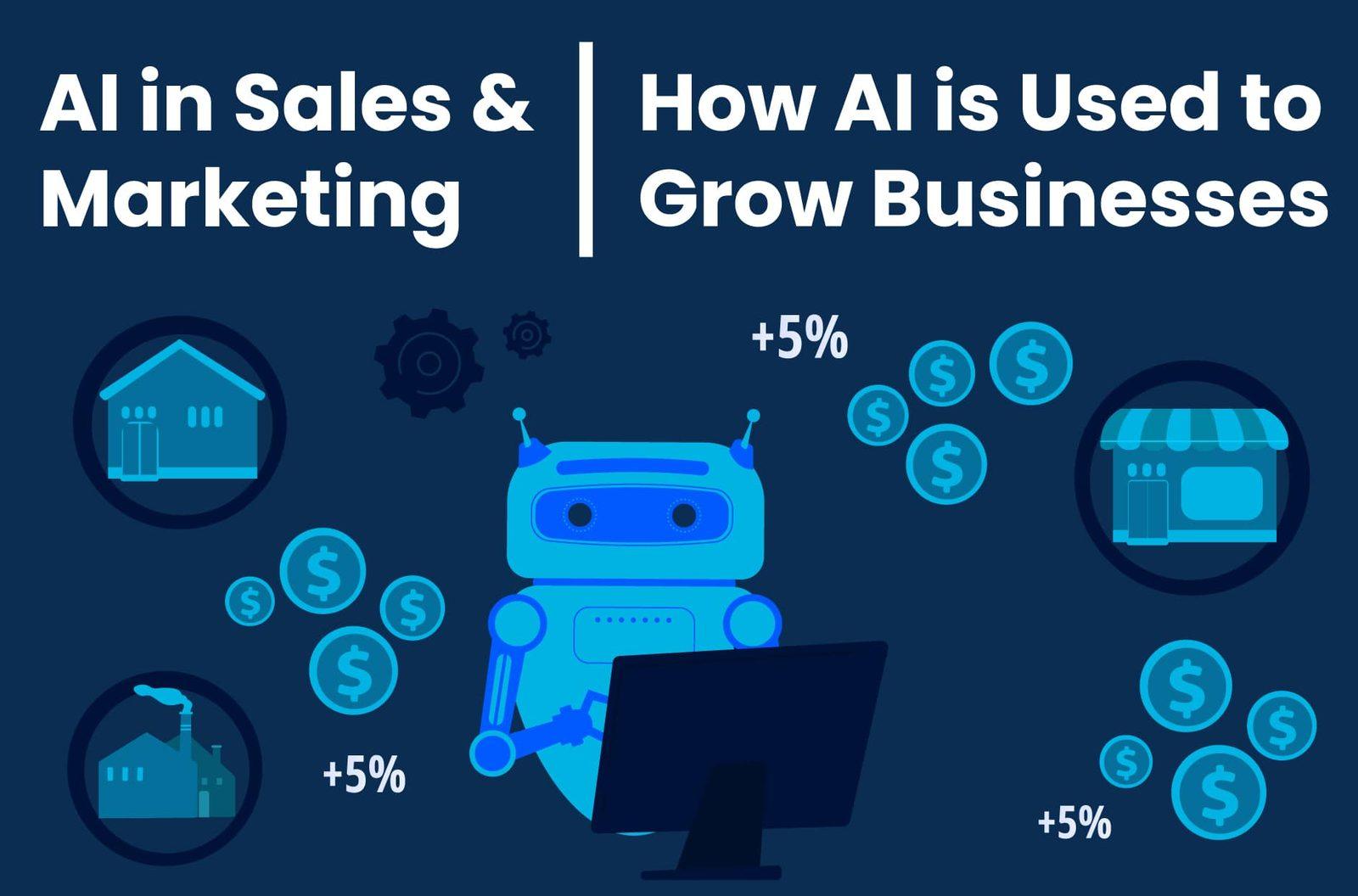
In the ever-evolving landscape of sales, technological advancements have consistently played a pivotal role in shaping the way businesses interact with customers and drive revenue. From the early days of mobile phones to the widespread adoption of email, each technological upgrade has revolutionized sales operations. I will never forget the story of my ex-colleague who was telling the story of his sales beginnings in P&G in US, post mailing his weekly sales report on late Friday’s, rushing through the streets to meet his sending deadlines. The essence of our conversation was actually the resilience of Sales Departments across different industries to technological upgrades, and by resilience, I mean not resilience of implementation, but rather how technological upgrades allowed Sales Departments to “re-invent” themselves and utilize the technology in a best possible way.
As we stand on the cusp of another transformative era, with Artificial Intelligence (AI) poised to redefine the sales department, it's crucial to reflect on past experiences and anticipate the profound changes that lie ahead - answering a question “is AI going to be Sales ally or foe”?
How do I see AI impacting Sales in future?
I have identified several touchpoints:
Embracing Efficiency and Agility: The Role of AI in Sales
As we fast forward to the present day, AI stands at the forefront of technological innovation, promising to reshape the sales department in ways previously unimaginable. At its core, AI empowers sales organizations with unparalleled efficiency and agility, revolutionizing key aspects of the sales process.
Example: Nestle utilizes AI in the FMCG sector for demand forecasting, enhancing the precision of predictions crucial for supply chain optimization and inventory management. Through the analysis of diverse factors and data sources, Nestlé harnesses the power of artificial intelligence to fine-tune its forecasting models.
https://www.sas.com/en_us/home.html
Data-Driven Decision Making: Unleashing the Power of Insights
AI algorithms analyze vast amounts of data with lightning speed, providing sales professionals with actionable insights into customer behavior, preferences, and market trends. By leveraging this wealth of information, sales teams can make informed decisions, tailor their approach to individual customers, and anticipate their needs with precision.
Example: Amazon employs a dynamic pricing strategy driven by Artificial Intelligence (AI). Leveraging real-time market analysis, the company uses AI algorithms to monitor competitor prices, assess demand fluctuations, and track supply changes. The platform’s sophisticated AI systems also look into customer behavior, considering factors like browsing history and purchase patterns to personalize prices for individual users.
Furthermore, AI aids in optimizing inventory management by predicting potential stock-outs, and the company adjusts prices based on time of day, seasonality, and other contextual factors. Overall, Amazon’s use of AI in its dynamic pricing strategy is integral to staying competitive, maximizing sales opportunities, and providing a personalized shopping experience for its customers.
Personalization at Scale: Re-defining Customer Engagement
One of the most compelling aspects of AI in sales is its ability to enable personalized interactions with customers at scale. Through sophisticated algorithms, sales representatives can deliver tailored recommendations, anticipate objections, and forge deeper connections with clients, ultimately driving higher conversion rates and customer loyalty.
Example: Unilever is actively exploring the integration of AI in FMCG, particularly in the realm of personalized marketing. Demonstrating a keen interest in leveraging advanced analytics and machine learning, Unilever seeks to refine its marketing strategies by tailoring them to individual consumer preferences.
Due to its size and reach, Unilever has a special partnership with Google, Alex Owens, VP and global head of data and analytics at Unilever. said. The company gets top-level support and enjoys early access to many Google products.
One that Unilever relies heavily on for its AI for marketing efforts is the Google Cloud Vision API, a product that, according to Google's webpage for it, provides easily modifiable pre-trained machine learning models that can analyze objects, images and text.
Automation and Optimization: Streamlining Sales Operations
AI-powered automation streamlines repetitive tasks such as data entry, lead scoring, and scheduling, allowing sales professionals to focus their time and energy on high-value activities. By eliminating manual labor and optimizing workflows, AI enhances productivity, accelerates sales cycles, and maximizes revenue potential.
Predictive Analytics: Anticipating Future Trends
Another transformative application of AI in sales is predictive analytics, which enables organizations to forecast future sales trends, identify potential leads, and mitigate risks effectively. By harnessing the power of AI-driven insights, sales teams can proactively adapt their strategies, capitalize on emerging opportunities, and stay ahead of the competition.
Will this mean that AI is going to take the role of sales department employees? Will it stand as ally or foe? I am almost certain that AI will serve its purpose as an additional tool of the sales employees as explained before. Companies on the other hand will need to take care not to overwhelm the employees with tons of data, without making way for quality time for decision making. Using data means ultimately making decisions.
In conclusion, the impact of AI on the sales department cannot be overstated. From data-driven decision-making to personalized customer engagement, AI promises to revolutionize every facet of sales operations, driving efficiency, and fueling growth. By embracing this transformative technology businesses can unlock new opportunities, redefine customer relationships, and thrive in the digital age. As we embark on this journey of evolution, let us embrace the future of sales with optimism, innovation, and a commitment to excellence.