Brand building: part 1 – story of Consumer Persona

It was 1982 when a big FMCG multinational company decided to go away from their regular realm of assortment and try something completely new. It was Colgate, and the new product was Colgate’s frozen meals (“Colgate Kitchen Entrees”). It was a bold decision back then to move away from “cavity protection expertise” to something completely different, which was ready made meals (category already existing in US). Eat the meal and brush the teeth afterwards – sounds perfect! Marketed as ready-made frozen meals, Colgate Kitchen Entrees targeted working mothers and college students. This target group was too busy to cook for themselves but needed a healthy convenient alternative to fuel themselves and their families without impeding their busy schedules. Regretfully, this product was not able to find a niche consumer at that point in time. Consumers just failed short of understanding how a signpost brand symbolizing toothpaste (Colgate) and ability to clean the mouth with mint kind of flavor, could be able to produce a tasty food with the same name?
Now let’s go back to the story of the article and the importance of creating a consumer persona, when you are designing a brand, as this is one of the steps in the Brand Creation Process.
Let’s start with the 3 questions what is consumer persona? Why creation of consumer persona is important for brand building? Which are important components in consumer persona research?
What is consumer persona?
Consumer persona is an imaginary description of your ideal consumer/buyer you base on your market/category research.
Why is consumer persona research important?
Because it will allow you to identify the market/category you want to “tackle” with your product/service. Identifying the right market/category will narrow down your efforts of development, pinpointing proper needs and creating the possibility to generate USPs (unique selling propositions) of your product/service.
Which are important components in consumer persona research?
Or simply said, what kind of information you need to gather?
1. Demographic
Gender, age range, educational level, income level, marital status, preferences (connected to product/service).
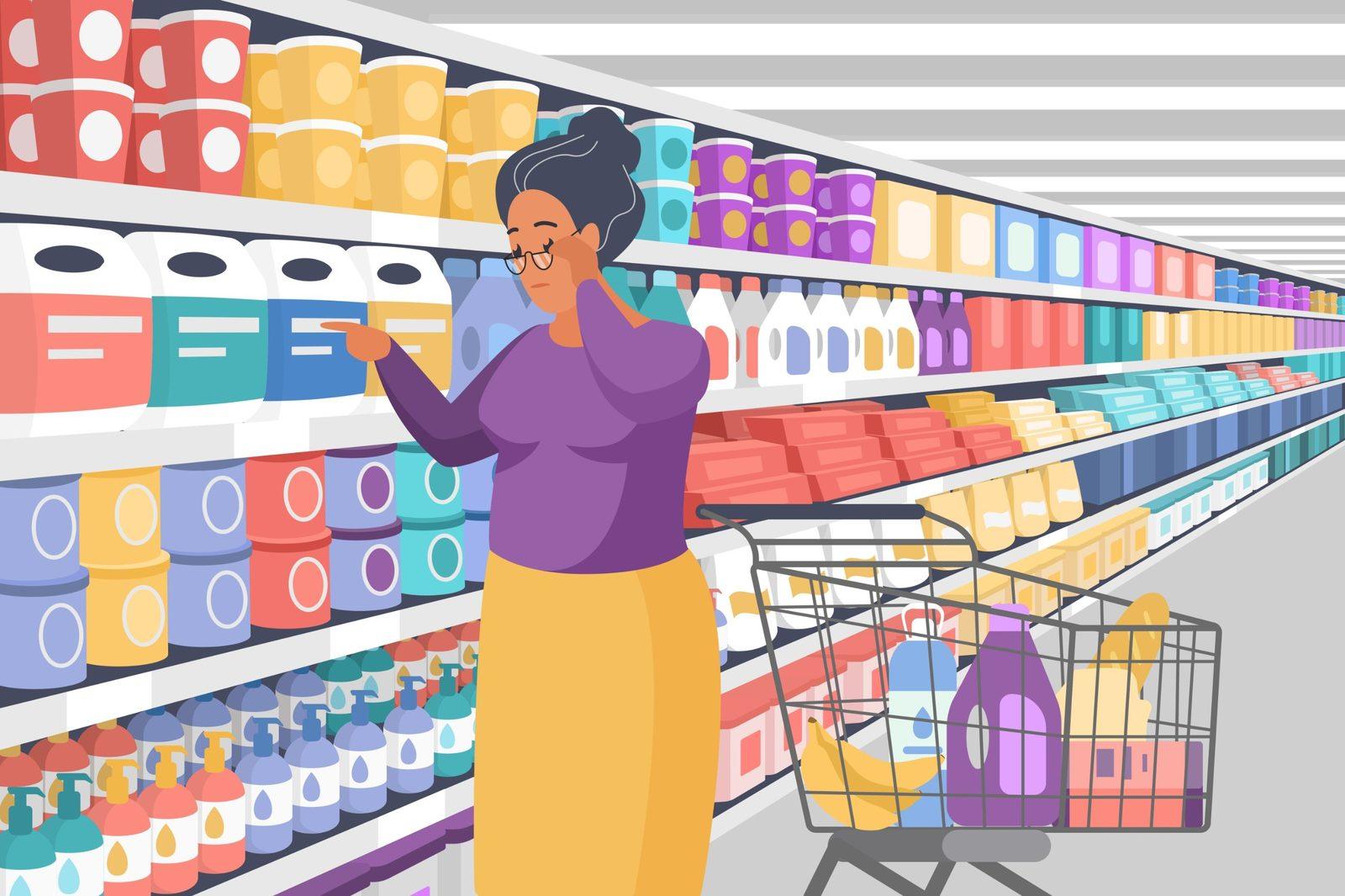
This part is self-explicit but, in a nutshell, all data connected in “demographic” part of the analysis would help you build up a database for future campaign marketing, and/or pricing positions, etc. It will help you build an image how this consumer of yours looks like. Having said this, the image I have in my mind is a common mistake in some parts of the world where retailers have high shelves, so that women who are on average smaller cannot reach them. For them, products on high shelves are not “shoppable”. For a retailer (on top of “dead” stock on high shelfs), I would say that average consumer height is pretty important, and that is a part of “demographic” data in terms of store design.
2. Role in decision making/indirect decision influencers + interests
Who is the key decision maker? Are there others I mentioned as indirect decision maker influencers? Who is the decision maker in one’s choice of the faculty? Is this the student solely, or the decision lays with his parents, friends partly or equally? What are the key interests that decision makers have? Let’s go back to the faculty choice example. Parent’s key interests could be that their child gets an education which will allow them to strike a best job, and by doing so provide long term security for their children. Students key interest could be broadening the knowledge, getting as good quality education versus financial investment possible, social network expansion, prestige, etc. As you can see key interests can be overlapping, so to build its brand faculty one should consider how to answer the interests of all decision makers. Same works for other business as well (of course having in mind the financial implications of these decisions – they need to make sense, sometimes you cannot fulfill everybody’s interest with the proposition you have built, or you might reconsider your proposition).
3. Daily activities
The idea here is to create “footprints” of consumers typical day. The aim is to understand what is important for consumers throughout the day with the purpose of aligning what your consumers consider important with brand value proposition. Understanding this, you will be able to place your brand within the natural thought process. For example, if you are designing a home cleaning product, understanding when and how this activity occurs with details surrounding this occasion would be helpful in development. On the other hand, understanding how the rest of the day looks like for a consumer, would give you ability to narrow down focus of your marketing campaign to specific communication channels.
4. Pain points
What are the things which are bothering your consumers, what makes them awake at night? Here I am not speaking only about the specific problem that one is trying to resolve with a certain product/category/service, but also in general. Consumers tend to connect better with brands which are reaching out to them on the emotional level, understanding their general views on the world. I love the way Coca Cola communicates their brand in connection with love as emotion. Their product is a carbonated soft drink in its essence (nothing fancy), but they are connecting with their consumers on an emotional level. Having Coke while having a family dinner, having a night out with your girlfriend/boyfriend, spending holidays together… in a way Coca Cola are addressing consumers’ need to be loved with their brand.
5. Affiliations
Which is the group of people your consumer thinks/aspires to be part of? What is their passion? Identifying their common goals would help you reach out to them and show them yourself as a brand which understands their passion, thus becoming “the brand of choice”. There are a lot of groups which are very passionate about their activity. Mountain tracking for example – you will see members of these groups proudly wearing cloth, footwear and accessorized with brands intended for people doing mountain tracking. These brands are just made for them.
There are some important points you need to address in the process which will make your analysis more relevant and effective. On these points you need to make sure that you gather actionable data. If you go too wide in data collection it would be costly, but furthermore, it will increase the risk of missing/losing some key information in the vast data collected. For example, if you are creating a brand for a private faculty, or a brand of private faculty, information regarding the color preferences of your consumers is most probably completely irrelevant. In another example, if you are developing a protein-based product, questions/information on: protein function knowledge, daily intake, general diet preferences, daily activities and more are most probably all relevant for further brand building.
How to design a consumer persona?
Well, it’s simple, there are many companies which are specialized in providing this service. These companies can be found on a local level, but also there are several ones which are actually providing this service online. Depending on the territory you want to tackle, I would advise you to choose the one with a local/regional expertise. There is a number of qualitative and quantitative research tools available which are good, but my advice would be to focus most of the attention on providing a company which would do an analysis for you a detailed overview of what information you are looking for, and equally important quality/relevance of participants. Wrong input would just get you wrong output, whichever tool you use.
Coming back to the 80’s and the example from the beginning, I am positive that Colgate didn’t do a proper job in understanding the consumer persona and persona’s emotion towards Colgate brand at that point in time. So, to increase the chance of success of your new brand/product launch, make sure you truly understand your consumer.