Fast adaptation to new consumer trends

Covid 19 has severely changed my shopping habits. It would be more correct to say that this pandemic situation had accelerated the changes I have been making. I am not speaking here of introducing new diet only, or worrying about the CO2 emission of my car (even taking into consideration the purchase of an electric car instead of A diesel/petrol version), or of reading labels in detail to understand if packaging is eco-friendly, I am speaking here of being more self-conscious of MY time. I just want the best quality time for my close ones and for myself. And basically, that means that I want the best return of my time – therefore I am introducing ROIT (Return On Invested Time – concept).
Everything you purchase is paid with your time, road to market – a distance you cover in between your residence and the place you make your shopping at (not route to market) is also equivalent to invested time… I “adopted” my own concept: looking for flexible workplace-space, less commuting, office vs home working hours satisfaction, less needless FMCG stocks at home, …
ROIT however is a different topic, because today’s topic is a fast adaptation to new consumers trends. Of course, scores of people have evolved and changed, and the latest consumer trends show behavior shift change driven by covid19 (I would argue it’s covid19 acceleration, more than actual reasons).
What are the most noticeable shopping trends?
*(I am not quoting the list based on importance)
- Shopping at a smaller number of stores on average
- Using Ecommerce for shopping, consuming digital
- Less disposable income/prioritization
Shopping at a smaller number of stores on average
Number of different stores which is visited by an average consumer has significantly dropped. Latest Nielsen report in Serbia shows that there is 15%+ less shoppers visiting 3 stores in a selective period 2021 vs 2019 year. Similar trend is present in other countries as well. Consumers have narrowed down the time invested in shopping, to have more time for themselves. What does this mean for suppliers and retailers? – additional effort is made to have the right assortment/service/price proposition, as suppliers and retailers have less opportunities (time spent in stores) to collect on sales opportunity. If you don’t have all which is mentioned, it is highly probable that you will lose market share, consequently sales. Understanding which is the right channel and store and how should one (product/brand) be presented in today’s fast changing environment is more important than ever. Unfortunately, as most companies’ business decisions are driven mostly by short term (time) financial goals, we have seen a “pandemic” of price increases and promo decreases, which should help short term profitability. On the other hand, concepts that dwell on the trends are the big winners – and here I am speaking dominantly about Ecommerce/Digital business solutions, B2Cs, Discounters/Private Label’s.
Using Ecommerce for shopping, consuming digital
Available global information show that digital marketing has surpassed all other media channels way back in 2017, and not only that, but the same data also shows an estimation that digital marketing is growing its market share to ever time high of 50% in 2021. Ignoring digital communication today equals the situation that you have opened new business, and you haven’t informed anybody about it.
Hand in hand with information above, Ecommerce is the highest growing channel of all. Now the question for your company is – which are the business steps you made to collect on this trend? Have you re-considered the change in your marketing/communication strategy? Have you decided on the organization you need to address the needs of the Ecommerce channel? Have you built up the commercial and marketing toolkits for communication? What are you targets in Ecommerce short, mid and long term and have you given enough resources (finance, IT, time…) to it and many more? If you don’t have a clear (or the right) communication and commercial strategy in digital realm – it’s time to create one asap.
For me, the best example of misunderstanding the digital realm, are the companies which design their corporate websites expecting that final consumers will use them to get in touch with the brands/services they offer, not understanding that consumers “consume” benefits of their services, and that they are vaguely interested in their mission, vision and values (often found on their website/communication platforms).
Less disposable income/prioritization
International Labor Organization published recently “that global hours worked in 2021 will be 4.3 per cent below pre-pandemic levels (the fourth quarter of 2019), the equivalent of 125 million full-time jobs.” Inflation increases, drop of overall employment rates, missed salary increases… All these factors lead to less disposable income, which would lead to consumption drop and prioritization. Combining this situation with the consumers’ overall behavior shifts is making the job of today’s marketing and salespeople extremely difficult.
How to be on the priority bucket list? Is this the new reality, or things are going to be like before, after the pandemic? Reality? Global economy will not bounce back easily – needs, priorities evolved, and business needs to evolve taking into consideration the “new reality”.
OK – less store visits, new digital trends, purchasing habits and less disposable income…
What are the steps that business needs to make to deliver in the new reality?
1. Disrupt regular planning cycle (plan)
In most of the categories even today there is sufficient data on trends, to understand most of the potential scenarios. Invest time and resources to build on possible scenario’s and make decisions in all these eventualities. Doing this you will reduce the risk of making a hard decision in a short notice, therefore reducing the risk of potential loss (or higher than needed loss) or collecting more easily on the gain.
After this one, make regular checks on your disruptive plan’s sustainability.
2. Check how your service/product benefits (marketing) answer to new consumer needs
A very difficult task is in front the marketers of the world with so much change around. Especially when companies tend to cut the marketing spending to safe keep the short-term financial goals. In a way, difficult times are the one’s where you should invest more (if you have proper people to tell you where to invest to be honest), as on the midterm run, these investment/innovations should reward companies with consumer trust, market share, etc. Check out your brand/product/service positioning (I recommend using the distinctiveness-centrality spectrum model by Niraj Dawar and Charan K. Bagga, can be found in Harvard Business Review of June 2015), envision the development of different quadrants, and make decisions on your brand/product positioning and price accordingly.
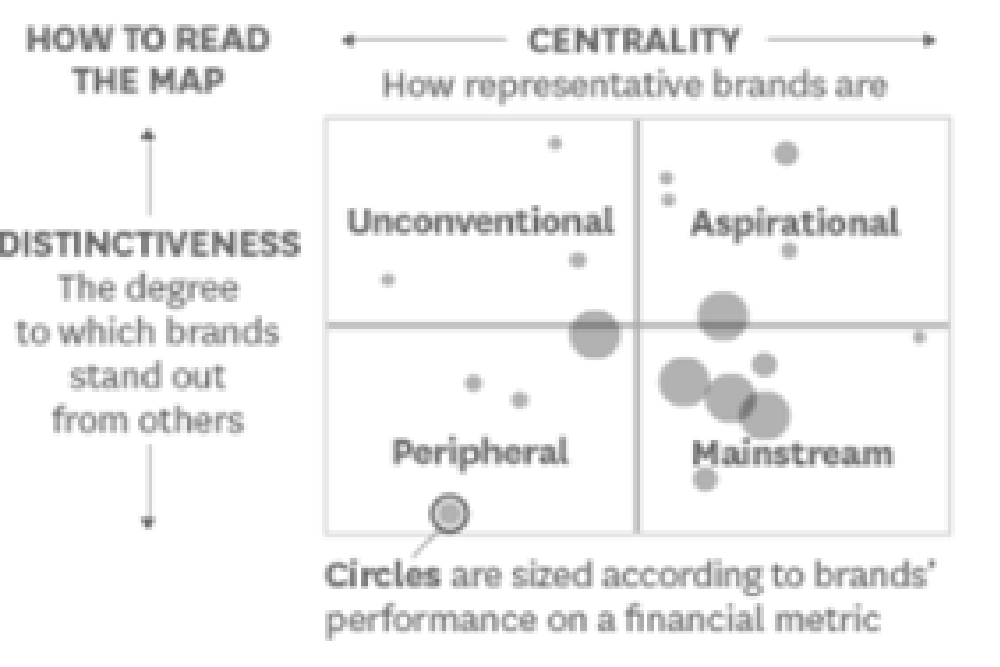
While I write a completely new article on this model, based on new data and possible upgrade until then, here is a short example from their available model from 2015: the US beer market.
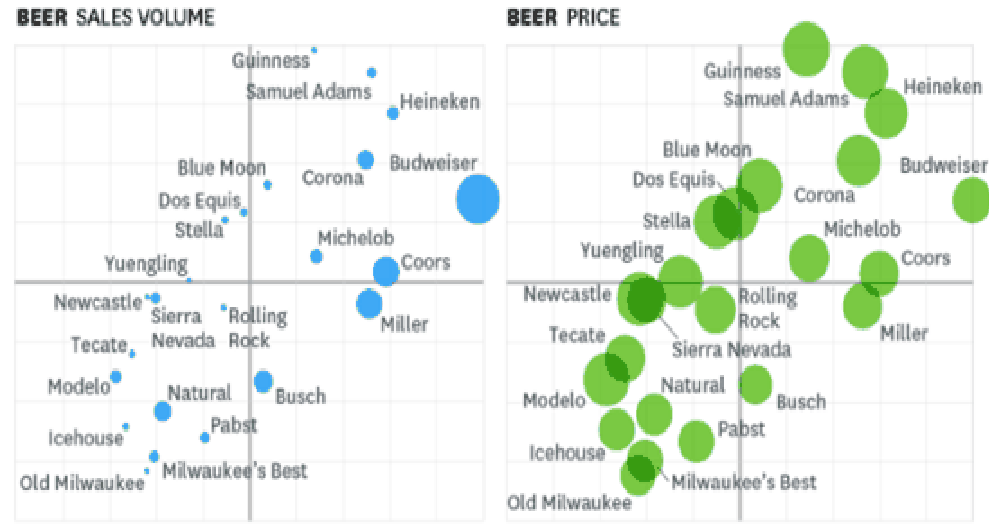
Here I do not mention opportunity for innovation and development which is always a valid strategy.
3. Check how your sales/distribution map converges with new consumer habits
Invest your resources where consumer is going to be “tomorrow”. In today’s fast changing environment, making decisions based on historical data will make you “history”. You need to take available data (sales analysis, revenue management), trends, and envision which route to market, channel, customer is a match for your consumer. Understand what difference is between your current model and potentially new one and decide to change it (or decide not to change). When you have made this decision (to change), you need to allocate resource to make sure your product/service is there now for consumer choice. If a channel or a customer is not valid any more for your overall strategy, you need to act accordingly … find a new customer/channel/route to market.
4. Execute – with excellence of course
While you think how world change is affecting your business prospects, don’t forget that your organization, customers, consumers key asset is time, and if your suggestions preserve or make full of these resources, success probability will be much higher.